Most people do not want more tax admin, and sounds, at first, like exactly that.
If you're self-employed or a landlord, the policy mostly presents itself as more software, more deadlines, more things, and more chances for something small to become expensive. I think that reaction is completely understandable because tax is already one of those things almost every adult has to deal with and almost nobody wants to spend more of their life thinking about.
But after immersing myself in tax over the last couple of months, I've found that is more interesting than that. I am obsessed with technology/computing and, as such, I tend to think about the flow of information in systems: where information starts, when it gets updated, who is allowed to change it, what counts as the source of truth, and what happens when bad information enters the system.
Tax, maybe unsurprisingly, is full of this. A lot of the work is making facts legible after the fact: money moved months ago, expenses need context, records are spread across software, bank feeds, receipts, emails and memory, and by the time someone is filing, the accountant is often reconstructing something that would have been easier to understand closer to when it happened.
is an attempt to move some of that work closer to when the facts are created. Whether that becomes useful infrastructure or just more admin depends on the doing, and the pattern is much older than itself.
Before software, there was paper and memory
A lot of the time, when people talk about tax technology, they jump straight to software. I think that is a little too late in the story.
Before software, there was paper and memory. A person earns money, spends money, buys things for a business, receives rent, loses a receipt, keeps another one in a drawer, writes some things in a ledger, forgets the context for a transaction, and then much later either fills a form or gives the whole thing to an accountant.
This can work, obviously. It has worked for a long time. But it also means the tax system is far away from the thing it is trying to tax. The further away it is from the transaction, the more it has to rely on memory, honesty, record-keeping and someone reconstructing the past.
I think a lot of modern tax administration is basically an attempt to reduce that distance.
The distance keeps closing.
Each system has tried, in its own way, to bring tax information closer to the transaction.
- 1944PAYE
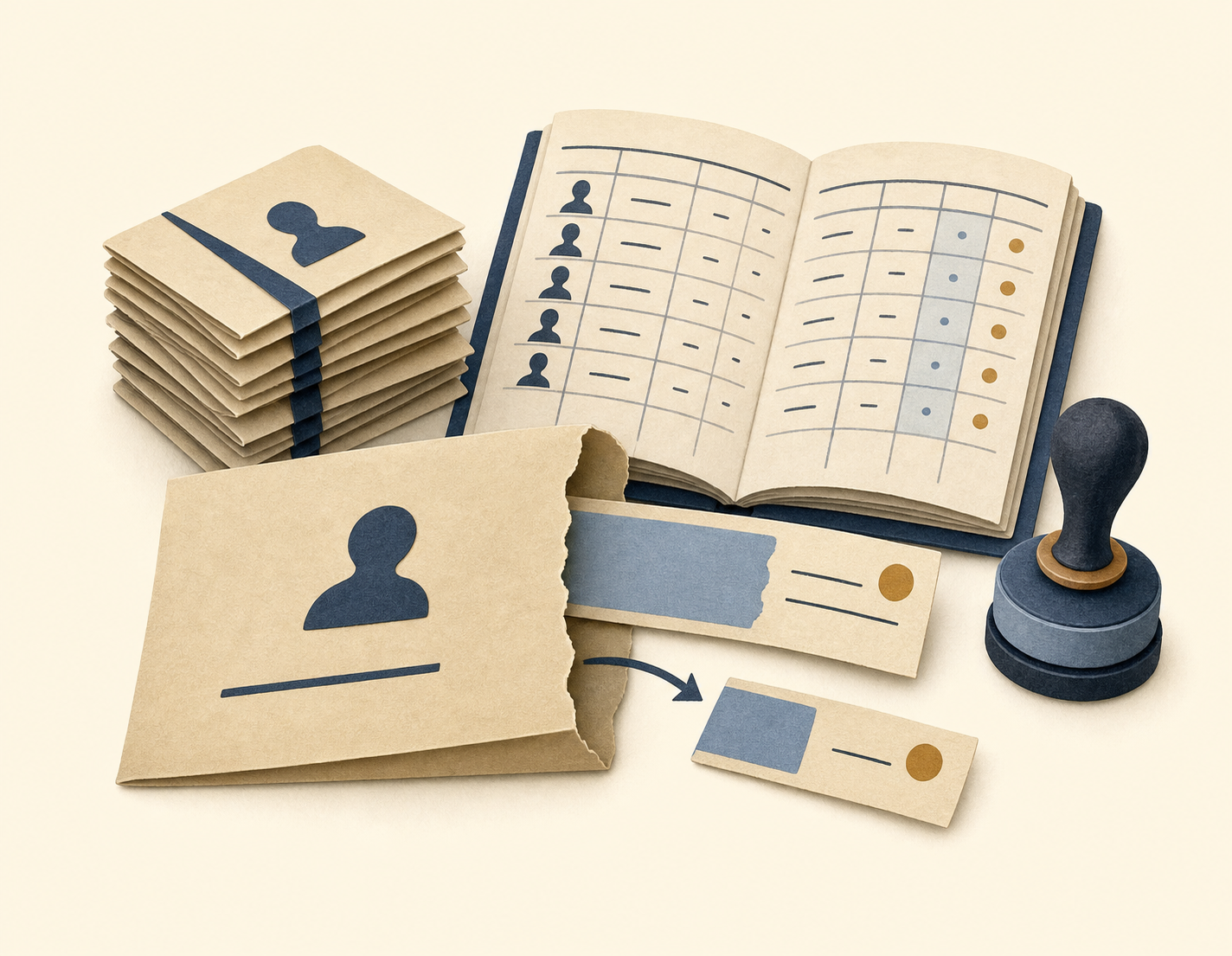
, Pay As You Earn, is the cleanest example. The employer is already where wages are calculated and paid, so the state makes the employer part of the collection system: tax is deducted before the employee receives their take-home pay, and paid over to . Employment income becomes visible close to the source — the employer is already in the middle of the transaction, and the tax system uses that position.
- 1996Self Assessment
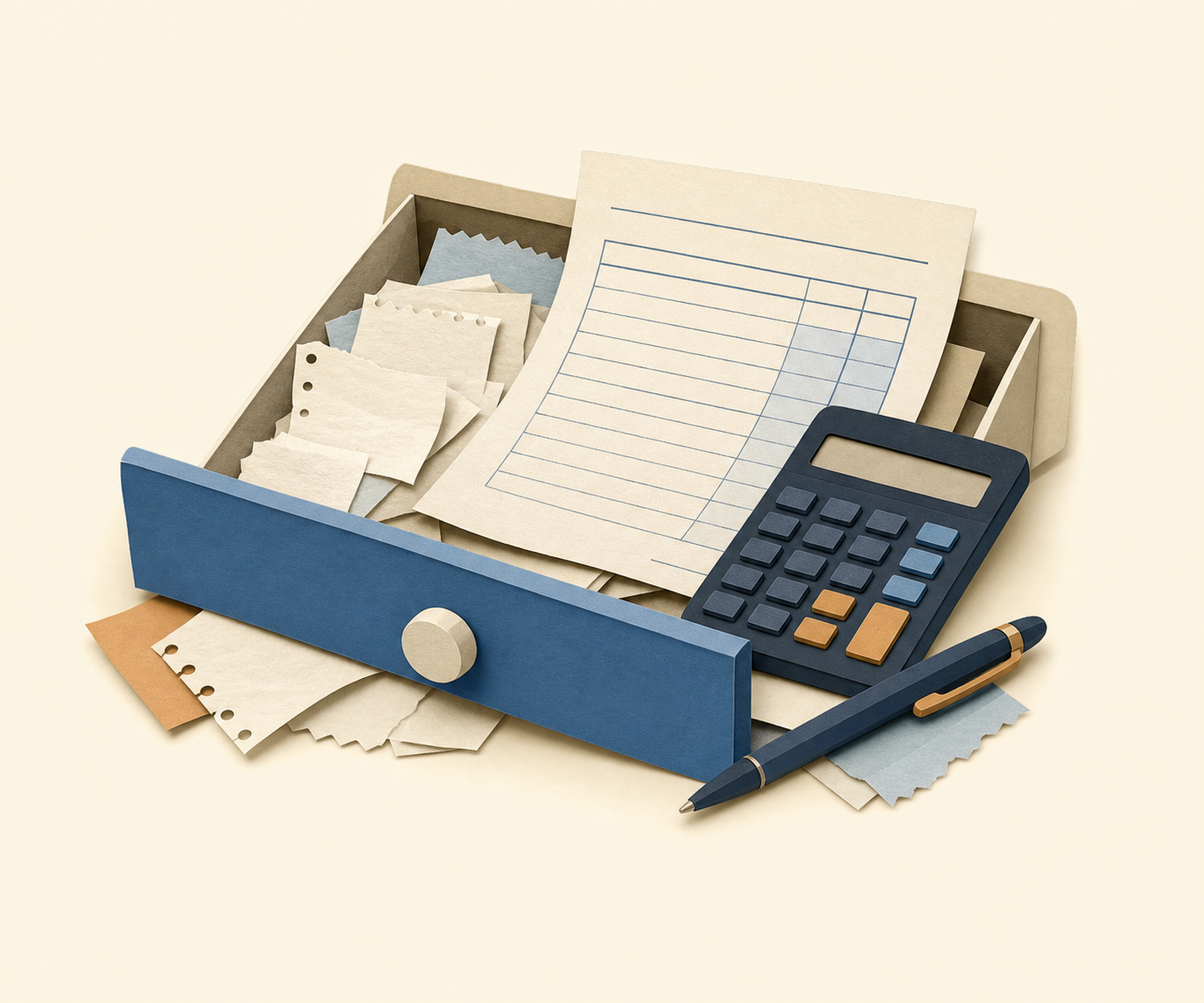
is different. It exists for income and tax positions that cannot be captured so cleanly at source: sole-trader income, rental income, some investment income, reliefs, and adjustments. In that world, the taxpayer — or more often the accountant — has to assemble the year after it has happened. The state sees the story months later, from records that may already be incomplete.
- 2013Real Time Information
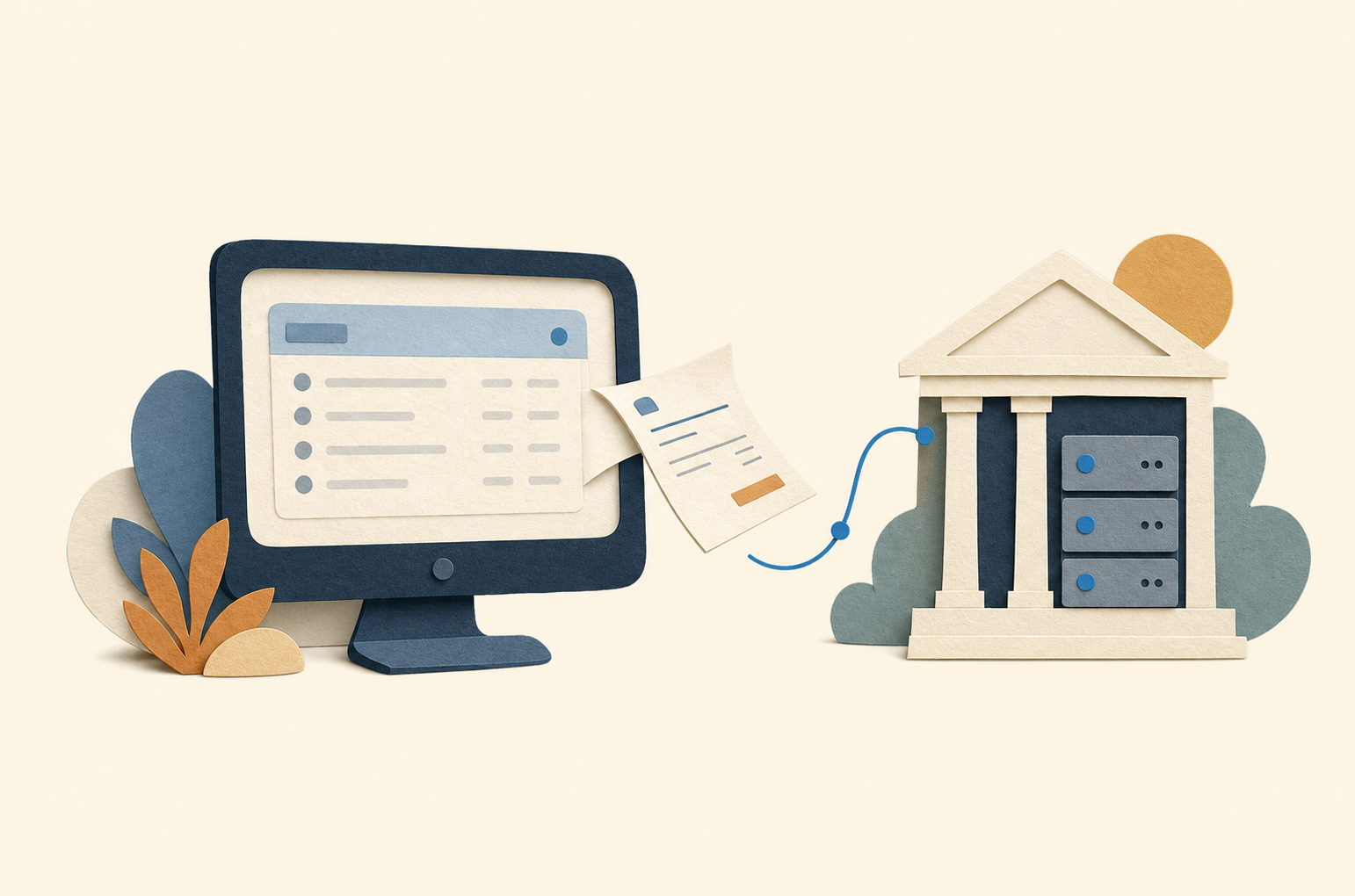
moved further in the same direction. Employers were already deducting tax through payroll, but RTI made them report payroll information to when, or before, employees were paid, instead of sending the information after the tax year ended. It changed the timing of the information flow.
- 2019MTD for VAT
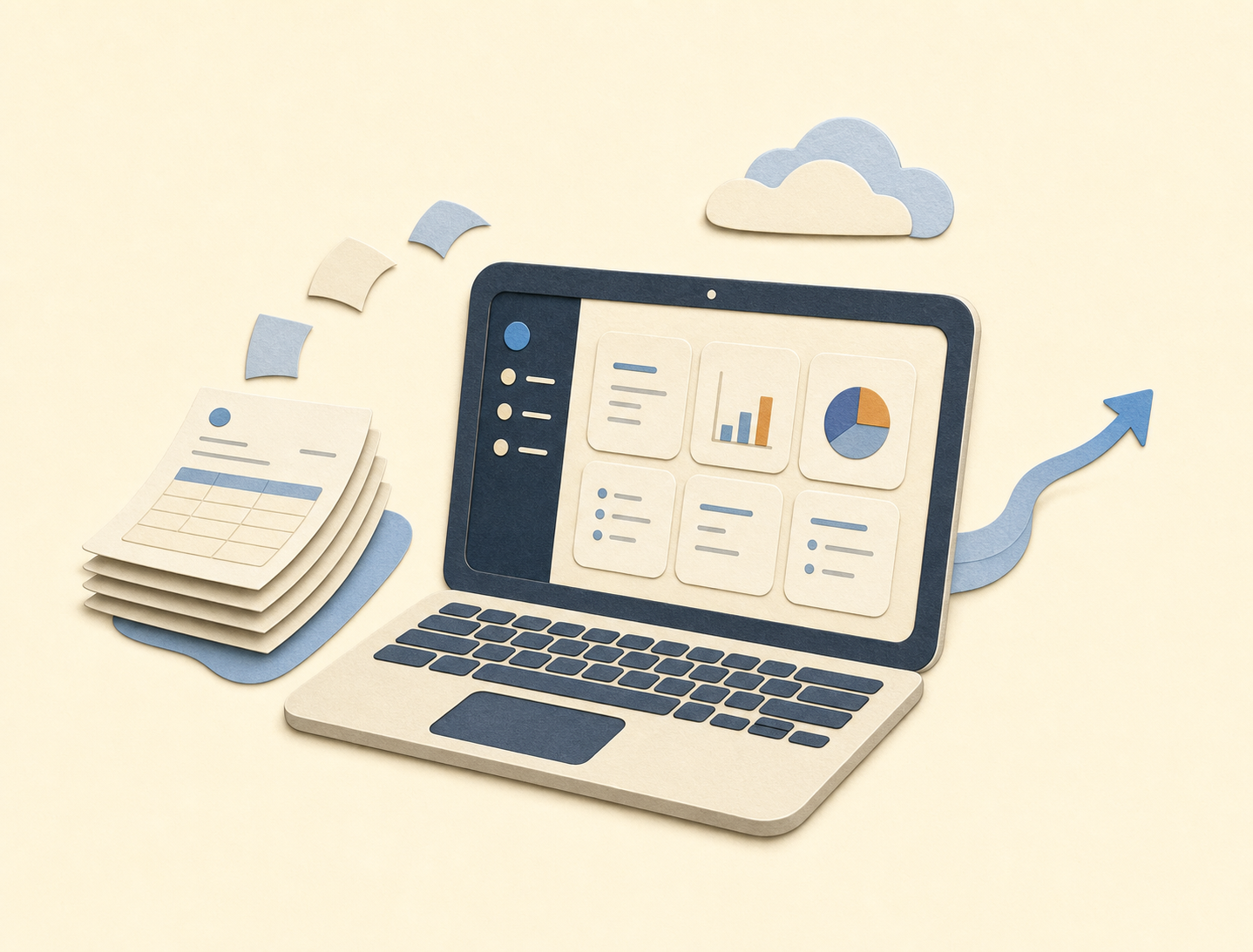
for was another version of this, but in a different part of the system. -registered businesses were already interacting with regularly, often quarterly, so it pushed the records and submissions into software, and made the data more structured.
- 2024Digital platform reporting

turned marketplaces and gig platforms into reporters in their own right. Where the platform already sees the transaction, that information now flows to by the platform’s own hand — closer to the source than any return the seller would file later.
- 2026MTD for Income Tax
is harder. Sole traders and landlords are not all starting from the same administrative place as -registered businesses. Some are using accounting software well; some are using spreadsheets; some are still mixing bank statements, paper receipts, invoices, emails and memory. So is part of the same movement: away from annual memory-based reconstruction, and toward records closer to when the thing actually happened.
The economics of ordinary mistakes
A lot of the time, tax policy only becomes real when it creates a deadline.
But I think the reason this particular deadline matters is the tax gap.
is a slightly abstract phrase, but it means something simple: the difference between what should, in theory, be paid to and what actually gets paid. In the latest Measuring tax gaps publication, estimated the 2023 to 2024 tax gap at £46.8 billion, or 5.3% of the tax that should have been paid. also says these numbers are uncertain and can be revised, which is worth remembering, but the estimate is still useful because it shows the shape of the problem.1
The largest share by customer group was small businesses, at 60% of the overall tax gap.1
The lazy way to read that is to say small businesses are the problem, but that's not quite right.
Small businesses are where tax information is the most fragmented. Income can come from many places, expenses need judgement, records live across bank feeds, invoices, receipts, emails, accounting software, spreadsheets and memory, and the person responsible for keeping all of this straight is usually also trying to sell, deliver, chase payment, answer clients, pay suppliers and run the actual business.
So what is trying to reduce?
Some of it is evasion. put evasion at 14% of the overall gap in 2023 to 2024. But the largest behaviour category was , at 31%, and error was another 15%.2
Those two categories are worth sitting with because they are not the same as someone setting out to cheat the system. They are the economics of ordinary mistakes.
A receipt goes missing. A figure is guessed. A transaction is copied into the wrong place. A spreadsheet formula drifts. An expense is categorised months after the person still remembered what it was. A client sends the accountant half the story and then finds the rest later.
If you apply those rounded shares to the total tax gap, failure to take reasonable care and error come to about £21.5 billion. It is an estimate, but it is a very large estimate of a very ordinary kind of failure.2
This is the part of that makes the most sense to me. If the state only sees the story once a year, after the year has happened, then the system has already accepted a lot of loss in the quality of information. tries to change that by making digital records the operating layer during the year, and by forcing updates while the year is still happening.
for gives some reason to believe this can move the numbers. 's final evaluation estimated that for raised an additional £185 million to £195 million in VAT revenue in 2019 to 2020.3
That does not mean software magically fixes tax. It means changing the record-keeping behaviour changed the outcome.
Income Tax is harder than because many sole traders and landlords were not already living inside a quarterly VAT rhythm. But the theory is the same: get the records closer to the thing that happened, reduce the amount of annual reconstruction, and reduce the number of places where ordinary mistakes enter the system.
It takes doing
sounds simple when described cleanly: keep digital records, use , send , and . That is true, but it compresses the work into neat words that are detached from the reality.45
The clean version, and what it actually takes.
Keep digital records
Records sit in compatible software.
Choose software, connect bank and platform accounts, enter missing records, and fix bad imports before they harden into bad data.
Categorise income and expenses
Totals are ready for HMRC categories.
Decide what each transaction actually is, chase missing receipts, and separate personal items from business items the software cannot tell apart.
Send quarterly update
Software sends summary totals.
Sense-check the year-to-date totals before they leave: are sales and expenses where you would expect, are categorisations sensible, is anything missing?
See estimate
Taxpayer gets earlier visibility of liability.
The estimate is only useful if the records are already close to reality. A clean number on top of weak records can be more misleading than helpful.
Finalise year
Complete the end-of-year tax position.
Apply adjustments, reliefs, other income, and the accountant's judgement on the parts that quarterly updates cannot settle.
Someone still has to choose the software, keep the records usable, categorise transactions, fix bad imports, chase missing context, and make sure the summary going to is not nonsense. A is not a full tax return, but it is only easy if the facts behind it are already in decent shape.
And in practice, much of that work falls to accountants.
That is not because taxpayers are helpless, or because is wrong to want better records, or because software is useless. It is because tax is sensitive, consequential, and full of context. When something is unclear, late, missing, badly categorised, half-remembered or expensive if wrong, the accountant is usually the person expected to make it legible.
I think that work is easy to understate because clients mostly experience the absence of problems. If they only speak to their accountant twice a year, that can feel like success. But behind that quietness is someone holding a frightening amount of information: income, expenses, debt, cashflow, property, payroll, family context, weak records, missing evidence, and all the little places where a harmless mistake can become a penalty.
So yeah, it takes doing.
I have felt this more strongly the closer I have got to the work. I have spent much of this year working from an accountant's office every week, and the thing that keeps standing out to me is the sheer amount of context they carry. What the client meant. What the client forgot to send. What changed in the business. What needs. What the software says. What the deadline will punish. What can still be fixed before it becomes expensive.
That is the part I want to help with.
Back Office is my attempt at that: not to make tax feel magically simple, because I do not think serious work becomes simple just because software exists, but to help accountants carry the work with better systems around them. If is going to move more of the tax system into software and earlier reporting, then the people who already hold the system together need tools that respect the weight of what they are doing.